
First Board Right: when the first board becomes an economic issue
July 13, 2026
Process Integrity drives Production Integrity. Production Integrity delivers First Board Right.
For a long time, manufacturers considered the first board produced at the start of a new run a normal step in the setup process. A few print adjustments, a placement correction, a parameter change or an additional validation were naturally part of the process before production truly began. The run absorbed the time spent on this setup. Across several thousand boards, a few hours of fine-tuning would dilute to the point of becoming invisible in the cost price.
In a High Mix environment, this approach is no longer harmless.
Every new product, every prototype, every NPI or short run puts the process back to the test. The run no longer lasts long enough to absorb its own setup cost. Every correction made after the first board ties up teams, immobilises equipment and delays the start of manufacturing. What was once considered a simple adjustment has today become a production cost. That cost is borne entirely by a work order that often has only a few dozen boards to absorb it.
In a short run, the first board is not a disposable trial — it is a saleable unit that will ship alongside the rest of the batch. It must therefore be produced under the same secured process as every board that follows, so that it is fully representative of the last board rather than an exception tolerated at the start. What is validated on the first board is, in effect, the standard for the entire order.
The real question is therefore no longer whether the first board will be compliant.
It is how much it costs when it is not.
This is precisely where First Board Right takes on its full significance. It does not represent merely a quality objective. It is one of the most important economic drivers in High Mix electronics manufacturing.
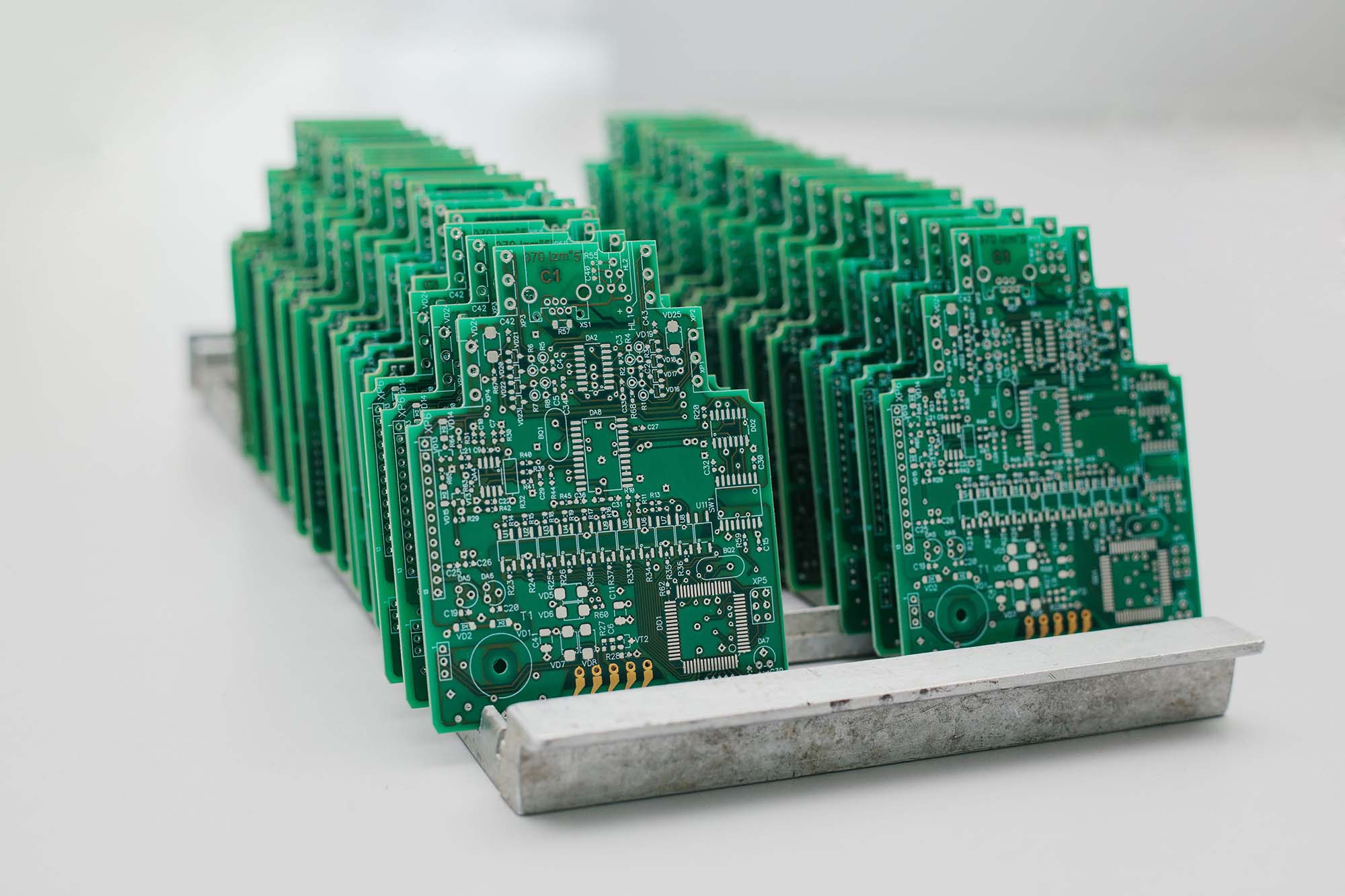
Every compliant first board immediately reduces the number of reworks, unnecessary material consumption, downtime and methods team interventions. It frees up billable machine time, it makes the order completion date predictable, it avoids mobilising a methods engineer on an operation that creates no value. It makes it possible, in short, to turn launch time into productive production time.
Conversely, every adjustment made after the first board feeds what manufacturers refer to as the Cost of Poor Quality. Taken individually, an extra stencil clean, a program correction or a manual rework seem to have a limited impact. A reel loaded at the wrong value, a component placed with reversed polarity, insufficient paste volume on a fine-pitch BGA: each incident seems isolated. Each finds its solution in a few minutes. Repeated daily across several dozen changeovers, however, they become a significant part of the real cost of manufacturing, the part that appears in no quote. But it always shows up in the margin.
This reality fundamentally changes how manufacturers must approach the process.
A higher-performing machine no longer achieves First Board Right or more rigorous inspection. The reality is that a faster machine simply produces a non-compliant board more quickly. A finer inspection detects the defect, but does not prevent it – it intervenes only after the process has already incurred the cost. First Board Right results from the ability to eliminate variability before production even begins. It is a shift in logic: moving from after-the-fact control to proactive process control.
This is why process control begins well before the first PCB arrives on the line. Production data preparation, component library validation, bill of materials verification, setup preparation, component checking, paste deposit stability and then placement repeatability are no longer independent steps. They form a single chain, in which each link secures the next. Its objective is not to correct deviations but to eliminate the causes of correction before they ever appear.
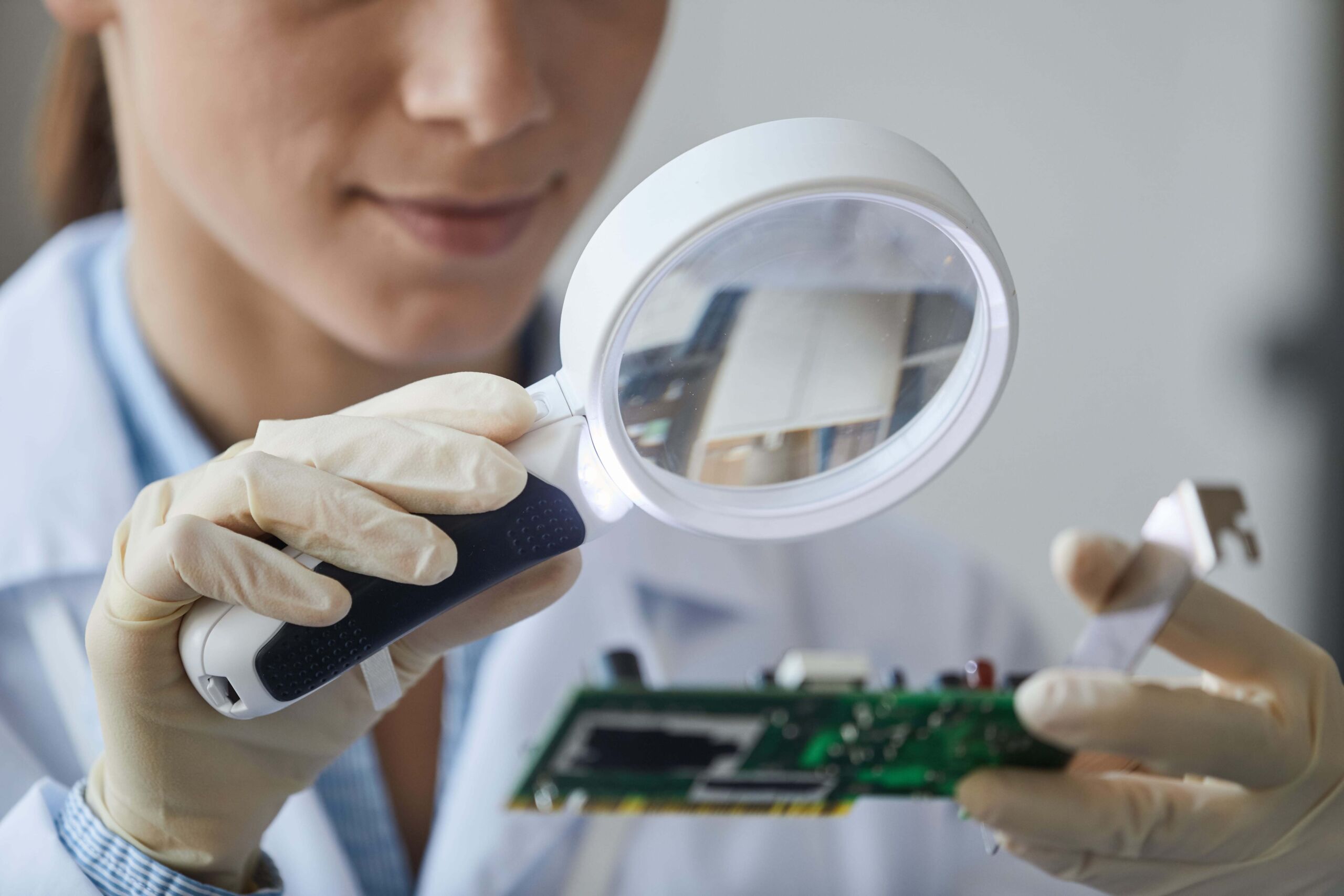
This approach progressively transforms quality into economic performance.
This is the philosophy that Europlacer captures through two complementary concepts.
Process Integrity consists of building a robust process before production begins. Process Preparation, ii-RC, ii-Tab and remote preparation solutions prepare, verify and secure all data, programs, components and operations before the team produces the first board. The system validates the program offline against design data and the bill of materials, on a virtual board, with a synchronised component library that eliminates geometry errors. The system reserves material, assigns it to the work order, delivers it from connected storage towers, and verifies the loading plan step by step at changeover.
Identity checking using IPC CFX
Backed by the IPC CFX data flow, these applications check the identity of every reel against the bill of materials and its location. In the event of a discrepancy, the cycle does not start. The setup error, which remains in High Mix the leading cause of non-conformity, is no longer detected after the fact – it is made impossible.
Process Integrity is sometimes questioned by those who see flexibility and process control as opposing priorities. However, the evolution of High Mix manufacturing shows that both are now essential. As product variations increase, batch sizes decrease and quality expectations continue to rise, manufacturers can no longer rely on flexibility alone to manage complexity.
Process Integrity should not be seen as an obstacle to agility, but rather as a prerequisite. By securing data, materials and operations before production begins, it enables manufacturers to remain flexible. Every changeover is controlled, every process is validated and every board is produced right the first time.

Production Integrity then ensures that this process will be executed faithfully throughout manufacturing. Printing solutions, placement, integrated control systems and closed-loop feedback maintain process stability, limit drift and ensure consistent repeatability, regardless of the references being produced.
Before placement, the component is verified using four checks:
- an integrated electrical tester for value and polarity
- vision algorithms now assisted by artificial intelligence
- optical presence sensors for the smallest packages
- vacuum sensors to intercept a pick failure before it becomes a placement defect.
During placement, the machine adapts to the actual board rather than requiring dedicated tooling. Dynamic height correction compensates in real time for PCB warpage, securing both pick and placement heights. After placement, the correlation of print, placement and inspection data makes it possible to identify an emerging drift and correct it before it translates into defects. Environmental variability – batch size, packaging format, board format, technology – no longer translates into variability in the result.
Conclusion
‘First Board Right’ is then no longer an objective to be achieved – it becomes the natural outcome of a process under control. In a High Mix environment, profitability is not built by correcting defects more quickly. It is built by ensuring those corrections are no longer necessary.
Process Integrity drives Production Integrity. Production Integrity delivers First Board Right.
Next Steps
Want to find out how Europlacer can help deliver high-mix manufacturing to your facility? Contact us to have a discussion today.
September 21, 2026
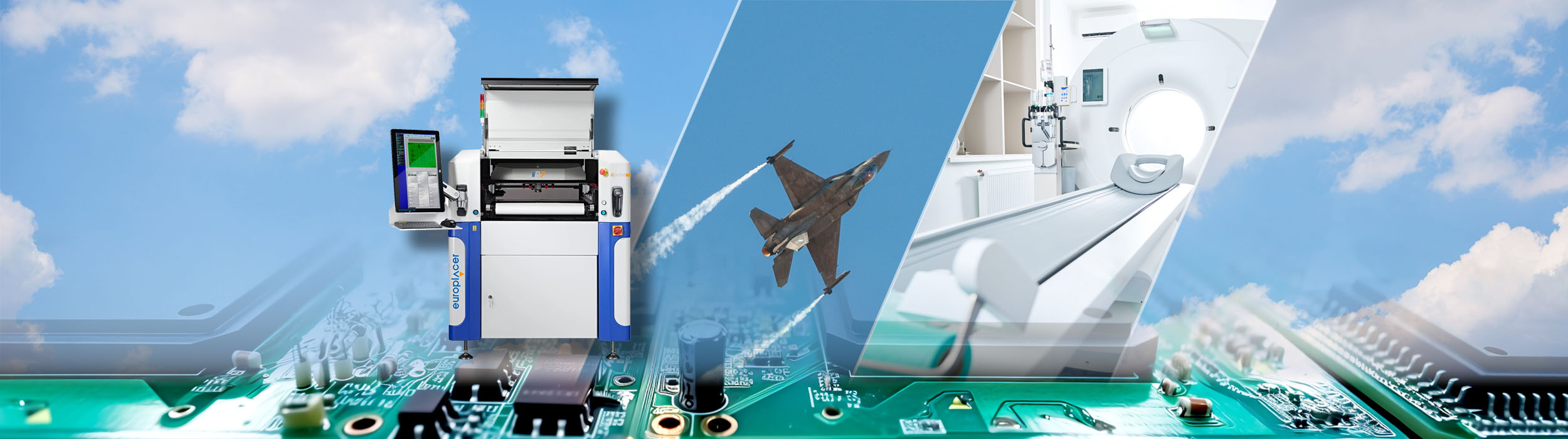
In high-mix, low-volume production, a product may not be built again for months or even years, and batches are often too small to recover from a drifting process. For aerospace, defence and medical manufacturers, that makes every manual adjustment at the printer a direct cost to both capacity and quality. This article looks at how automated calibration, controlled squeegee pressure, closed-loop SPI and built-in traceability remove those variables from the first stage of the SMT line.
Find out why a stable print is the foundation of a predictable HMLV line.
July 13, 2026
In High Mix electronics manufacturing, the first board off the line is no longer just a setup step - it's where margin is won or lost.
Discover why First Board Right, powered by Europlacer's Process Integrity and Production Integrity, is becoming one of the most important economic levers in SMT production.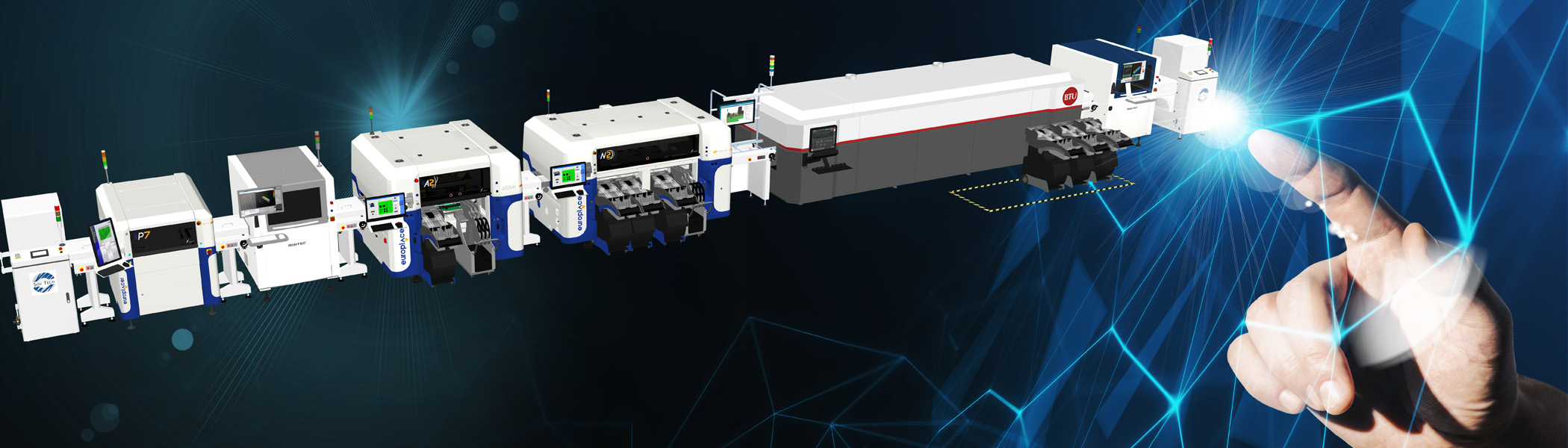
June 2, 2026
The real challenge of Industry 4.0 isn't generating more data, it's turning it into decisions you can act on. Europlacer's strategy builds on two complementary standards: Hermes for machine-to-machine continuity, and IPC CFX for transforming production events into business intelligence.
Discover how Hermes, IPC CFX, EPiiCENTRE and ii-TAB all connect the shop floor to the business, from the physical movement of every board to the decisions that drive productivity.